Sourdough master post
Here's a post for easily sharing my favorite sourdough resources with people who are new to sourdough baking!
Care and feeding
Here is a good good episode of the new Good Eats that talks a lot about the basic techniques for care and feeding.
People will tell you that your starter is a pet and you should feed it every day and take it to bed with you. Calm down. If you're going to bake daily, more power to you, but I promise you really don't need to.
The night before you want to bake with your starter, pull it out of the fridge, scoop it into a big glass or plastic bowl, and feed it equal parts flour and water. How much flour and water? Well, y'know, however much you're going to put into whatever you're going to bake.
Your starter is ready to bake with when it looks like this: it's bubbly and fluffy, it smells intoxicating, and if you drop a little bit in water it'll float.
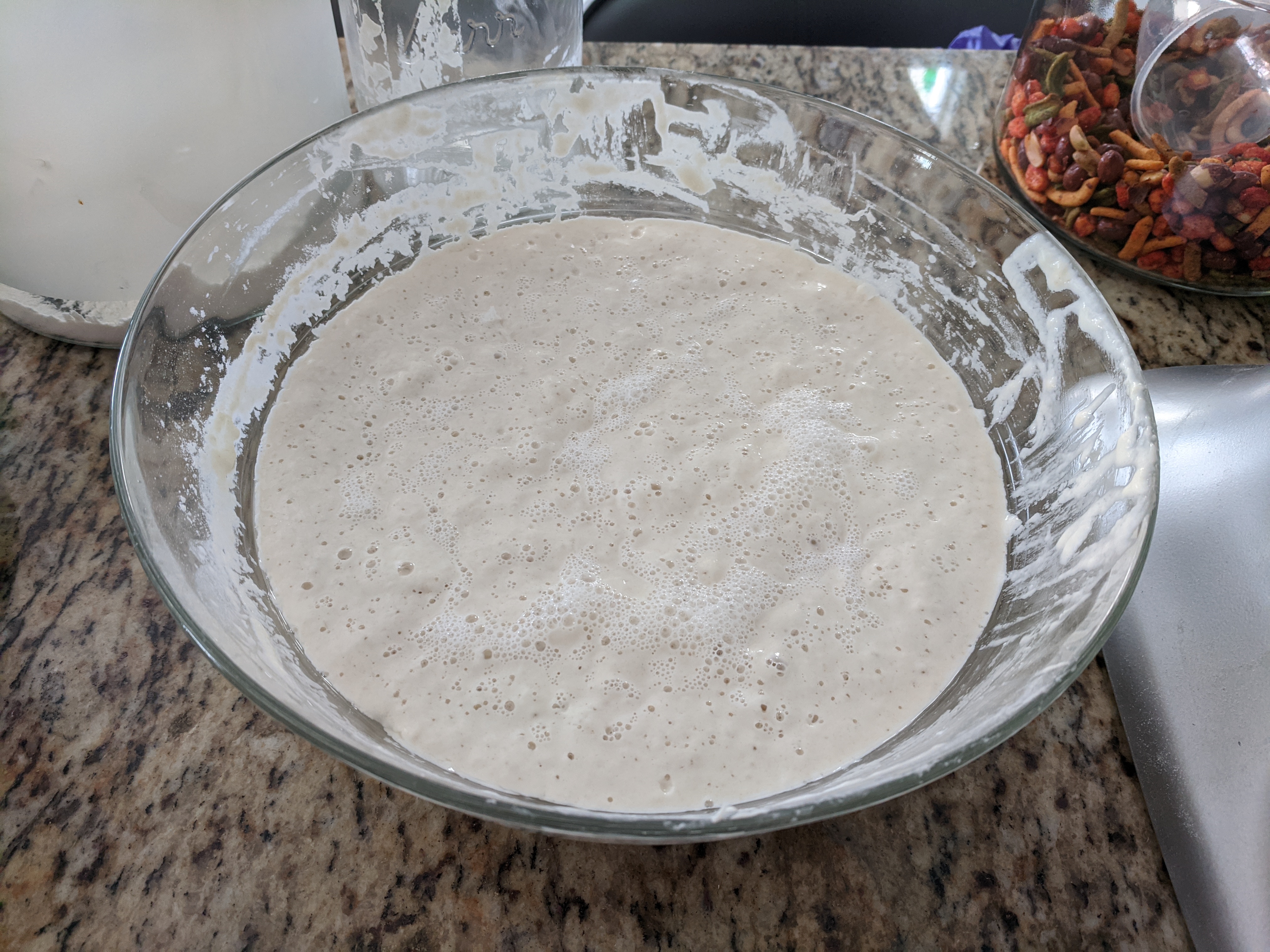
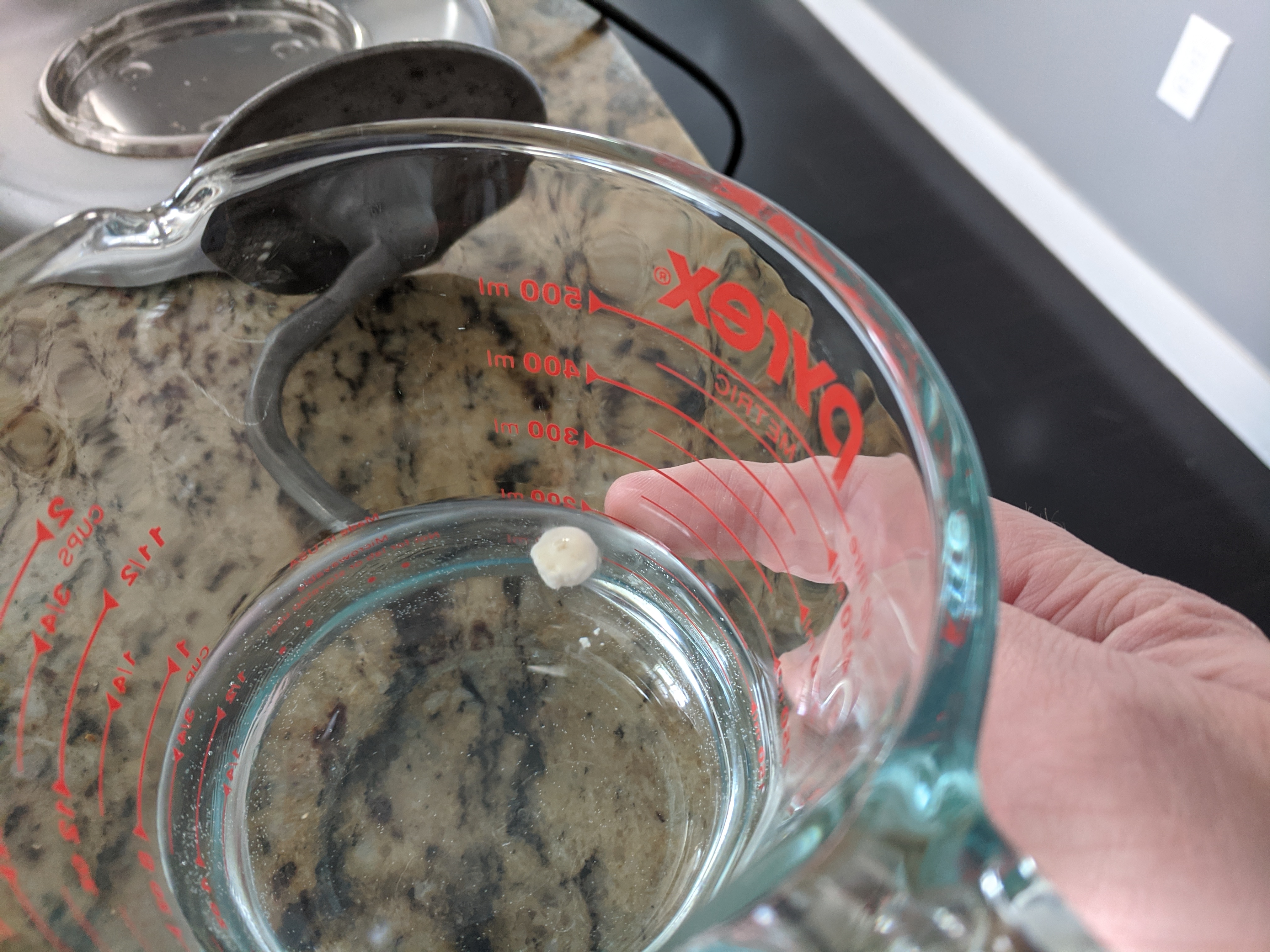
Go ahead and bake with however much you need, and then you can return your starter to the fridge. Into the jar, scoop your leftover starter, add a spoonful of flour and a corresponding amount of water, stir it up with a chopstick, and pop it right in the fridge. It will be perfectly fine for a couple of weeks or even a month.
Tips and tricks
If your starter has been in the fridge for a long time, you might have a layer of liquid on top. This is called hooch. Yes, it is alcohol; it's the byproduct of the yeasts in your starter. I usually pour it off before feeding if there's any substantial amount, because I've found that mixing it in can kill your starter, but ymmv.
This is maybe a folk belief that I'm not sure is scientific, but I have come to believe that the starter doesn't like metal. So, use glass or plastic bowls to feed your starter, and wood or silicone utensils to handle it. I find it's okay to use metal stuff on the actual bread or whatever you're making, though.
The starter loves potato starch; don't ask me why. If you're making hash browns and squeezing potato water out of shredded potatoes, consider saving that water to feed to the starter.
Recipes
A fun place to start is with The Clever Carrot's extremely informative Sourdough Bread: A Beginner's Guide. This will teach you a lot of the key techniques and vocabulary, and introduce you to the wonderful world of freeform shaping. This loaf is a great template to experiment with. Try replacing some of the bread flour with whole wheat flour, or adding pretty substantial amounts of honey, or working in some par-cooked grains, or adding a bunch of garlic paste, or or or or…
Here's my go-to sourdough sandwich loaf baked in a bread pan.
One of my favorite things to make with my starter is sourdough pizza dough. The sourdough flavor is great under pizza toppings, and it just gets sourer and nicer to handle the longer it ferments in your fridge.
I also love these damn crackers. They do not last because they are delicious and I have no self-control. These are a fun base for improvisation with various herbs and spices. I've used garlic (both powder and fresh), rosemary (fresh or dried), red chili flakes, Mexican oregano, thyme, etc. etc. Instead of butter, I use 40g olive oil, and I roll them out in a pasta roller to setting 2. I find that they roll better if you are generous with the flour – more like 130g or 140g.
Finally, here's my grandfather's sourdough pancakes. They are fluffy and wonderful cooked in a cast-iron skillet with some good maple syrup, or with blueberries in them, or banana slices…
Happy baking!